Top 10 Financial Planning Tips for 2026
Explore 2024's top 10 financial planning tips for US retail investors. Strengthen your budgeting, savings, and investments with expert-backed advice.

Introduction
Setting the Stage for 2024
As 2024 unfolds, the economic environment in the United States presents both new opportunities and challenges for retail investors and traders. Inflation rates have shifted following aggressive monetary policy changes by the Federal Reserve, and recent volatility in the stock and bond markets requires a more adaptive approach. For example, the inflation rate eased to 3.4% in May 2024, according to the U.S. Bureau of Labor Statistics—lower than the height of 2022 but still above pre-pandemic levels. This signals a need to regularly update financial strategies to align with evolving market realities.
Retail investors are finding that strategies effective just a year ago may not yield the same outcomes today. With advancements in algorithmic trading platforms, such as Robinhood and Schwab’s StreetSmart Edge, along with the rising influence of meme stocks like GameStop, the landscape is more dynamic than ever. This complexity underscores the necessity for tailored, researched, and actionable financial guidance to maximize gains and manage risk.
This article delivers 10 essential financial tips curated specifically for 2024. Each tip is rooted in current research and tailored for American investors, whether you're a beginner exploring ETFs or an intermediate trader seeking to optimize capital gains taxes. Expect practical recommendations addressing investment planning, spending, saving, and holistic financial well-being to help you navigate the year’s unique market conditions with greater confidence.
Build an Emergency Fund
Overview
Having an emergency fund is a foundational aspect of sound financial planning for every investor. This dedicated savings reserve helps shield you from unforeseen financial setbacks, such as job losses, major health expenses, or sudden, urgent repairs.
The Consumer Financial Protection Bureau describes an emergency fund as a crucial step for financial security. It enables you to cover unplanned expenses without derailing your long-term investment goals or resorting to high-interest debt. An essential guide to building an emergency fund covers in detail how to set one up strategically.
Key Details
Most personal finance experts recommend aiming for a fund that covers three to six months’ worth of essential living expenses. For instance, if your average monthly costs for rent, groceries, utilities, and transportation add up to $2,500, your emergency fund target would be $7,500 to $15,000.
Storing funds in high-yield savings accounts—such as those offered by Ally Bank or Marcus by Goldman Sachs—ensures accessibility and generates higher interest compared to regular accounts. These accounts can offer APYs over 4% (as of early 2024), giving your reserves more growth potential while retaining liquidity.
What Makes It Special
An emergency fund reduces stress and protects your investment strategies from being disrupted during market downturns. For example, investors with adequate reserves during the COVID-19 pandemic avoided selling stocks at a loss to cover living costs, preserving their long-term returns.
Instead of liquidating equity holdings when the market was low, these individuals had the financial flexibility to weather temporary financial storms, demonstrating the deeply practical value of an emergency fund for investors.
Considerations
It's important to regularly review your fund size to account for inflation and changing circumstances. What was enough a year ago may be insufficient if your expenses—or inflation—have risen.
For example, a person who set aside $10,000 in 2020 should check if cost-of-living adjustments in 2023 have outpaced their original calculations, and adjust the emergency fund accordingly to maintain its true value.
Best For
Building an emergency fund is recommended for all investors, though it's particularly essential for beginners and those with erratic incomes, such as freelancers or gig workers. These groups face variable financial risks and benefit most from having a safety net they can fall back on.
According to the CFPB's guidance, even those pursuing conservative strategies should not underestimate the importance of developing this financial buffer.
Additional Info
Online banks and money market accounts are worth exploring, as they often provide higher yields and fewer fees than traditional brick-and-mortar solutions. For example, Discover and Capital One 360 frequently offer competitive rates that can maximize returns on emergency reserves while keeping funds easily accessible.
Although there is no one-size-fits-all solution, comparing features like withdrawal limits, interest rates, and fee structures will help you select the best home for your emergency savings, preserving your capital and keeping it within reach.
Maximize Contributions to 401(k) and IRA Plans
Maximize Contributions to 401(k) and IRA Plans
Overview
Tax-advantaged retirement accounts like 401(k)s and IRAs play a crucial role in smart retirement planning. By making the most of these accounts, investors can build substantial long-term wealth while reducing their current and future tax burden.
These plans offer incentives that are particularly valuable for those aiming to grow investments over decades with the added benefit of tax deferral or tax-free growth, depending on account type.
Key Details
The IRS has set generous contribution limits for 2024: individuals can invest up to $23,000 in a 401(k) and $7,000 in an IRA, with additional catch-up contributions allowed for those 50 or older. This enables investors to shield more of their earnings from taxes and boost their nest egg.
It's also essential to maximize employer matching if available. For instance, Google matches up to 50% of employee contributions to its 401(k) plan, up to $9,500 annually. Missing out on such matching offers is like leaving free money on the table.
What Makes It Special
One of the standout features of 401(k) and IRA plans is the potential for compounding growth. Picture a scenario: an investor who maxes out their 401(k) contributions for 30 years, earning a 7% average annual return, could accumulate over $2 million by retirement, according to Fidelity’s compounding calculator.
Besides growth, these accounts can provide significant tax savings both during the contribution phase and, depending on the account type, at withdrawal.
Considerations
Understanding key dates and rules is critical. For example, the deadline for contributing to an IRA is generally the tax filing deadline in April, while 401(k) contributions must be made by the end of the calendar year. Missing these windows could mean missing tax benefits for that year.
Also, check your employer’s vesting schedule before relying on matching funds. Amazon's 401(k) vesting, for example, phases in over several years—so staying with the company longer increases how much of the match you actually own.
Best For
401(k) and IRA plans are especially advantageous for salaried employees, high earners, and anyone serious about retirement planning. Tech professionals at companies such as Microsoft or Salesforce, for example, often take full advantage of these accounts to optimize long-term wealth accumulation and tax strategy.
That said, even freelancers or those with fluctuating incomes can benefit from IRAs—especially SEP or SIMPLE IRA options if they run their own business.
Additional Info
Choosing between Roth and Traditional IRAs is a key decision. A Roth IRA offers tax-free growth and withdrawals in retirement, ideal for those expecting higher taxes later. Traditional IRAs, in contrast, provide upfront tax deductions, which appeals to individuals in higher tax brackets today.
| Feature | Roth IRA | Traditional IRA |
|---|---|---|
| Tax Treatment | Post-tax contributions, tax-free withdrawals | Pre-tax contributions, taxed withdrawals |
| Withdrawal Rules | Contributions can be withdrawn anytime | 10% penalty before age 59½ |
| Best For | Young investors, those with lower current income | High earners, those needing tax deduction now |
Choosing the best option depends on your current and future tax situation, so consider both your short-term needs and long-term retirement goals.
Reference: How maxing out your retirement accounts every year can ...
Diversify Your Investment Portfolio
Diversify Your Investment Portfolio
Overview
Diversification is a fundamental principle in reducing the risk associated with investing. By allocating capital across distinct asset classes—such as stocks, bonds, real estate, and alternative investments—investors can cushion their portfolios from volatility within a single sector or market.
For example, someone investing solely in technology companies like Apple and Microsoft may encounter severe losses if the tech sector falters. Contrast this with an investor who also owns municipal bonds, REITs, and commodities: losses in one area may be offset by gains or stability in others, smoothing overall returns.
Key Details
Diversification helps to soften the blow during market swings and periods of economic uncertainty. When equities plummeted during the 2008 financial crisis, diversified portfolios containing U.S. Treasury bonds or gold fared noticeably better, as these assets often move inversely to stocks.
This principle holds for emerging markets and different industry sectors as well. Allocating a portion to international stocks and Indian blue-chip companies, for instance, can combat local volatility and cyclicality.
What Makes It Special
The true value of diversification lies in its reliability for long-term growth. Investors who maintain diversified portfolios—such as those using S&P 500 index funds alongside investment-grade bonds—tend to outperform those who chase performance or trends, particularly over decades.
It’s recognized as an essential strategy by leading experts and publications, with Bankrate highlighting broad asset allocation as a means to balance risk and maximize returns over time.
Considerations
While spreading investments can reduce risk, over-diversification may dilute returns. This occurs when a portfolio becomes so fragmented that gains in high-performing assets are muted by lackluster holdings.
For example, holding 60+ securities with the same risk profile as the broader market can reduce the benefit of standout performers. It’s crucial to balance diversity with strategic selection, focusing on quality over sheer quantity.
Best For
Diversification isn’t limited to professionals with vast resources. Both novice and experienced retail investors find value in balanced exposure across industries and regions.
Beginner investors may start with mutual funds or ETFs, while seasoned traders might combine direct equity investments with international bonds and alternative assets to further refine their strategy.
Additional Info
Cost-effective products like index funds and exchange-traded funds (ETFs) are among the most accessible tools for building diversified portfolios. The Vanguard Total Stock Market ETF (VTI), for example, covers the entire U.S. stock market, while the iShares MSCI India ETF (INDA) enables easy exposure to Indian equities for U.S. investors.
These funds offer instant access to broad baskets of securities with minimal fees, appealing to those looking to mitigate risk and reduce research time.
Reference: Portfolio diversification: What it is and how it works - Vanguard
Automate Savings and Investments
Overview
Automating savings and investments leverages digital tools to establish consistent contributions toward financial goals without manual intervention. By setting up automatic transfers, investors ensure they save and invest regularly, which can help smooth out the impact of market fluctuations over time.
For example, several banks and brokerages allow users to schedule recurring monthly transfers from checking to savings or investment accounts. This method not only enforces discipline but also reduces the temptation to spend earmarked funds.
Key Details
The most effective approach is timing automatic transfers to coincide with salary deposits. By scheduling a transfer—such as $500 every month from a Bank of America checking account to a Vanguard S&P 500 ETF—investors can prioritize investing before other expenses.
Many online platforms, including Fidelity and Schwab, allow users to set up automated purchases of stocks, ETFs, or mutual funds. This can be done through recurring investment programs, such as Schwab's "Automatic Investment Plan," which lets users invest fixed amounts in select funds at regular intervals.
What Makes It Special
Automation addresses common behavioral pitfalls: procrastination and attempting to time the market. By setting investments on autopilot, investors can avoid the urge to wait for the "perfect moment."
Historical data from DALBAR shows that average investors underperform markets, often due to emotion-driven decisions. Automation enforces consistency, which can be more impactful than reactively managing investments.
Considerations
Automated settings should be revisited as circumstances change. After a salary increase or major life event, it's smart to reassess automatic transfer amounts to match new financial goals or responsibilities.
For example, after receiving a bonus, increasing monthly contributions or initiating new investment plans can help ensure continued growth. It’s essential to review settings to avoid missing out on higher saving potential as incomes rise.
Best For
This approach is particularly useful for individuals with limited time or experience monitoring markets closely. Busy professionals may benefit from minimizing active decision-making without neglecting their financial goals.
First-time investors often gain confidence through a hands-off process, while seasoned investors use automation to maintain discipline alongside other strategies.
Additional Info
Several robo-advisors, such as Betterment and Wealthfront, specialize in fully automated portfolio management, including automatic rebalancing and tax-loss harvesting. These tools analyze risk profiles and execute regular investments on behalf of users.
For example, Wealthfront allows users to set up direct deposit allocation, funneling a set percentage of each paycheck directly into diversified, automatically managed ETFs. While robo-advisors add a fee, the convenience and behavioral benefits are often worth it for hands-off investors.
Reference: Anybody here actually mastered automated savings ...
Review and Optimize Insurance Coverage
Review and Optimize Insurance Coverage
Overview
Insurance forms the financial safety net that shields individuals and families from unexpected hardships. Conducting an annual review of your insurance portfolio—covering health, life, disability, and property—is key to ensuring peace of mind and long-term financial stability.
Take, for example, a New Jersey family whose health insurance deductible doubled in 2023 after their employer switched providers. Because they reviewed their policies before open enrollment, they avoided costly medical surprises by adjusting plans to better fit their expected healthcare needs.
Key Details
Insurance gaps can have serious consequences. An uninsured medical emergency or natural disaster can strain even a robust investment portfolio. According to the Federal Emergency Management Agency (FEMA), over 60% of American homes are underinsured against floods—leaving thousands unexpectedly vulnerable every year.
Ensuring you aren't missing critical coverage is as important as your investment strategy. For instance, a 2022 Bankrate survey found that homeowners without umbrella liability protection faced average out-of-pocket costs of $140,000 after major lawsuits.
What Makes It Special
Insurance isn’t just an add-on; experts like Suze Orman and the CFP Board point to it as a building block for any resilient financial plan. It provides the confidence to invest, save, and grow wealth thanks to critical protection against worst-case scenarios.
Financial planners often recommend synchronizing life, property, and health insurance reviews every time significant life events occur—such as the birth of a child or a new home purchase.
Considerations
Shopping around annually can reveal significant savings. National insurers like Geico and Progressive encourage policyholders to compare quotes each renewal cycle, as new discounts and bundle rates frequently become available.
Exercise caution when adding coverage to ensure you’re not over-insured. For instance, many new homeowners in Houston saved over $400 yearly in 2023 by eliminating overlapping flood and property insurance overlapping riders.
Best For
Optimizing insurance is crucial for families, new homeowners, and anyone with financial dependents. Families with young children or aging parents face heightened risks, making robust coverage paramount for financial continuity.
New homeowners, particularly in climate-vulnerable regions like Florida, should evaluate hurricane and flood riders, as seen in Miami's 2022 surge in claims after Hurricane Ian.
Additional Info
Bundling policies offers both simplicity and savings. Companies like Allstate and State Farm frequently provide discounts up to 25% for customers who consolidate home and auto insurance under one provider.
Review your provider’s bundling incentives at each renewal cycle—these can translate to hundreds of dollars saved annually while streamlining claims and payments.
Reference: Lessons from ACA: Simplifying Choices to Optimize Health ...
Monitor Your Credit Score Regularly
Monitor Your Credit Score Regularly
Overview
Your credit score plays a pivotal role in your financial life, influencing not just loan approvals but also the interest rates and terms you're eligible for. lenders use this number to assess how likely you are to repay borrowed money, which means even a small dip in your score can have noticeable consequences when you apply for credit cards, auto loans, or a mortgage.
For example, Experian notes that individuals with scores above 720 often qualify for preferred mortgage rates, potentially saving tens of thousands of dollars over a 30-year loan compared to borrowers with lower scores.
Key Details
Monitoring your score has never been easier with the availability of free credit reports and digital tools. The U.S. government mandates that everyone is entitled to one free credit report annually from each major bureau—Equifax, Experian, and TransUnion. These can be accessed conveniently through AnnualCreditReport.com.
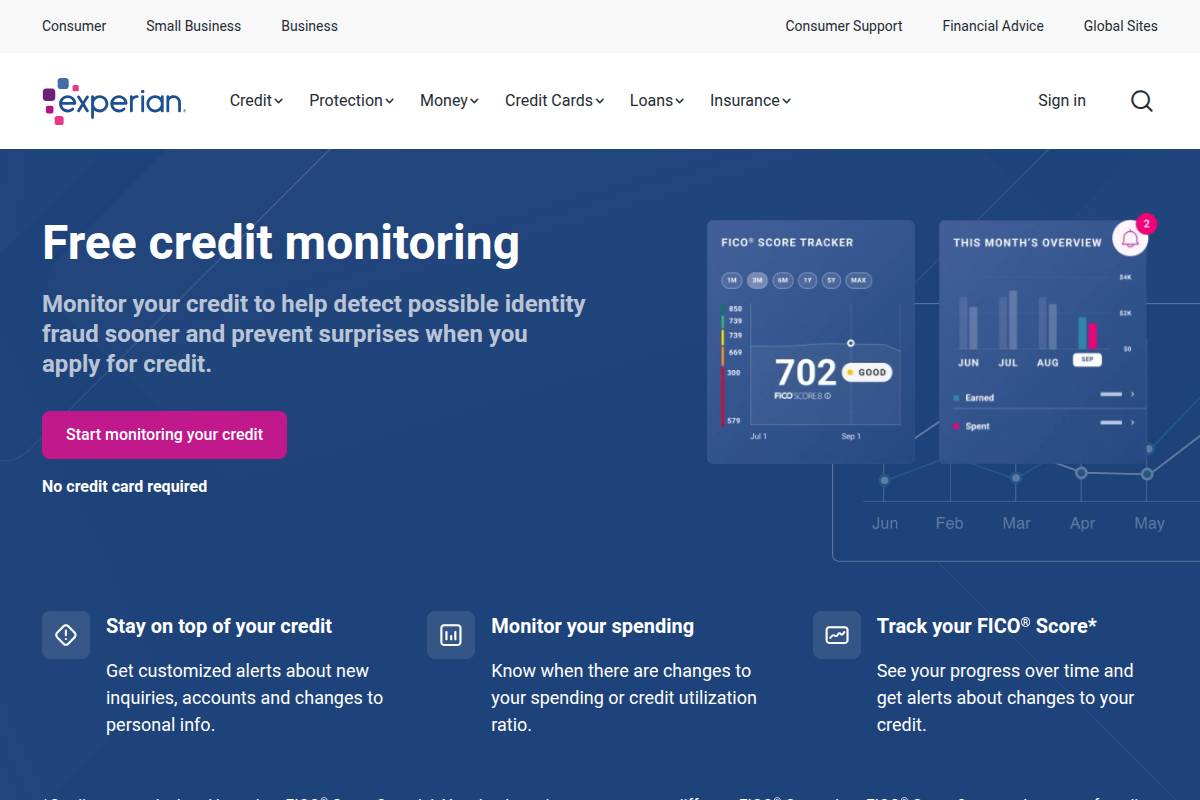
Beyond annual checks, apps like Credit Karma and Experian’s own mobile app allow you to track changes in your credit health frequently, alerting you to new inquiries or account activity in real time. For instance, more than 100 million Americans have used Credit Karma for ongoing monitoring and personalized financial tips.
What Makes It Special
Maintaining a high credit score—typically considered 700 or above—can unlock special perks and lower costs on credit. Banks like Chase and Citi often reserve their top-tier cards and best 0% introductory APR offers for applicants with excellent scores.
Over the life of a major purchase like a home, just a 1% reduction in mortgage interest could translate into savings of $30,000 or more, making vigilant score management a practical way to maximize your long-term wealth.
Considerations
Regularly reviewing your credit report is essential not only for accuracy but also for protection against identity theft. The FTC reports that credit report errors are not uncommon, from incorrectly listed late payments to erroneous account details.
Consider a scenario where a New York-based investor discovered an unauthorized personal loan on her TransUnion report. Prompt action allowed her to dispute the account and prevent further financial damage. Catching such issues early is crucial for all serious investors and traders.
Best For
Monitoring your credit score is vital for anyone managing their finances, but it's especially beneficial for individuals planning significant purchases like a car or home. It is also indispensable for those who might need to access business loans or new credit lines to support trading or investment activities.
For instance, first-time homebuyers in New Jersey were able to secure FHA-backed loans with interest rates below the national average because of their excellent credit profiles, as reported in a recent Bankrate survey.
Additional Info
Spotting inaccuracies quickly strengthens your financial standing. The credit bureaus—Equifax, Experian, and TransUnion—are legally required to investigate disputes within 30 days. For example, a 2022 CFPB report highlighted that over 70% of consumers who filed disputes saw errors corrected or removed, improving their scores almost immediately.
Proactively check your report, file disputes online when needed, and follow up to ensure corrections. These habits support a healthy score, which can lower your overall cost of borrowing and improve access to capital for trading, investing, or personal use.
Reference: Free Credit Monitoring
Create a Monthly Budget and Track Expenses
Create a Monthly Budget and Track Expenses
Overview
Establishing a purposeful monthly budget is an essential step for anyone serious about improving their financial health, especially for retail investors and aspiring traders. By mapping out your cash flow, you curb overspending and systematically direct surplus funds into savings or investments. This process is foundational not only for personal finance but also for supporting disciplined trading and investment decisions.
An effectively drafted spending plan serves as both a guide and a safeguard. For example, studies by the Centre for Financial Services Innovation reveal that individuals with a written budget are 75% more likely to feel in control of their finances.
Key Details
Embracing digital tools simplifies the process of tracking and managing expenses. Apps like Mint and You Need A Budget (YNAB) automate the categorization of transactions, generate reports, and provide real-time alerts on overspending. Mint, for instance, links to your bank accounts and credit cards, instantly pulling in expense data.
Categorizing expenses into 'needs' (such as rent, groceries, and transport) and 'wants' (like dining out or new gadgets) enhances accountability. When using YNAB, users often report that visually separating discretionary spending highlights where adjustments are needed and prevents budget creep.
What Makes It Special
A well-crafted budget does more than just record expenses. It establishes clear financial objectives—such as a monthly SIP into an index fund—and illuminates areas where you're likely to overspend. For instance, a trader noticed they were spending nearly $200 a month on streaming services, funds that could be redirected towards their trading account or learning resources.
This immediate visibility into spending leaks empowers proactive changes long before they become entrenched habits, providing a valuable edge in both personal finance and trading discipline.
Considerations
Budgets aren't static. Unexpected events—whether a rent hike, medical expense, or career transition—require thoughtful budget adjustments. Periodic review is key, especially after any significant life change that affects your finances.
Many experienced investors suggest revisiting the budget quarterly to account for variable expenses like annual insurance premiums or festival-related spending, ensuring all financial obligations are accurately addressed.
Best For
This approach is ideal for budgeting beginners, retail investors, and those committed to better money management. Individuals just starting their trading journey often benefit from the structure a budget provides, as it prevents conflating investment capital with day-to-day expenditures.
It's also highly suitable for anyone aiming to align their spending habits with their financial and investment goals, regardless of prior budgeting experience.
Additional Info
Setting realistic limits for each budget category is easier when you analyze your past spending. Reviewing six months of bank and credit card statements, for example, can illuminate spending patterns often overlooked.
Seasoned investors frequently review such records to identify trends—like a recurring uptick in discretionary spending during holiday sales—and plan accordingly, keeping both personal and investment finances on track.
Reference: Making a Budget
Take Advantage of Health Savings Accounts (HSAs)
Take Advantage of Health Savings Accounts (HSAs)
Overview
Health Savings Accounts, or HSAs, offer a strategic way for individuals with high-deductible health plans to plan for medical expenses. These accounts are specifically structured to provide significant tax benefits, making them highly attractive for savers looking to maximize their healthcare dollars.
Unlike flexible spending accounts (FSAs), HSAs are not "use-it-or-lose-it." For example, large brokerages like Fidelity and Charles Schwab have made HSAs more accessible, and their integration with mobile banking tools has simplified both contributions and spending for users.
Key Details
One of the standout benefits of HSAs is their triple tax advantage: contributions are tax-deductible, investment growth is not taxed, and withdrawals for qualified medical expenses are also tax-free.
Suppose an investor in Houston contributes $3,650 to their HSA in a year; not only does this reduce their taxable income by that amount, but earnings from investments within the account are shielded from capital gains taxes as long as they are used for medical expenses. This can translate to hundreds of dollars saved annually for regular users.
What Makes It Special
Unused HSA funds are rolled over year to year, with no penalty or expiration date. This differentiates HSAs from many employer-based FSA plans, which often have annual use stipulations.
Many HSA providers, such as Lively and Optum Bank, give users the ability to invest in mutual funds or ETFs within their accounts. For example, research from Devenir shows the average HSA investment account holder had an average balance of over $18,000 in 2022, demonstrating meaningful long-term potential for those who regularly contribute and invest.
Considerations
Eligibility for HSAs is limited only to those enrolled in a high-deductible health plan as defined by the IRS. For 2024, this means a minimum deductible of $1,600 for individuals or $3,200 for families.
If you do not have an HSA-eligible plan, you cannot open or contribute to an HSA, so it’s essential to confirm eligibility during your health plan selection each year. Many individuals miss out due to lack of awareness about these requirements.
Best For
HSAs are especially suitable for individuals or families who anticipate predictable healthcare expenses or are looking for a way to build supplemental retirement savings.
For example, a 35-year-old investor in Austin who contributes the annual maximum and invests those funds could potentially accumulate over $100,000 in tax-advantaged savings by age 65, assuming modest long-term investment returns. This makes HSAs a valuable tool for disciplined savers with an eye on both healthcare and retirement security.
Additional Info
After age 65, HSA funds can be withdrawn for any purpose without penalty, although withdrawals for non-medical expenses are taxed as ordinary income—similar to a traditional IRA.
This feature transforms the HSA from simply a medical savings account into a flexible retirement asset. Retirees who carefully track and compile medical expenses over the years can continue to pull from the account tax-free, a benefit that few other savings vehicles offer.
Reference: HSAs explained: The top benefits of health savings accounts
Rebalance Investments Annually
Rebalance Investments Annually
Overview
Rebalancing your investment portfolio on an annual basis is a key practice for maintaining the risk level and strategic asset allocation you originally designed. Over time, as various asset classes perform differently, your portfolio can drift from its target proportions.
For example, if you started with a 60% stock and 40% bond portfolio, rising stock markets might push your stock allocation to 70%, exposing you to more risk than intended. Conducting an annual rebalance helps ensure your investment approach stays aligned with your financial goals and risk appetite.
Key Details
Market fluctuations are inevitable, and they often cause the proportions of stocks, bonds, or other assets in your portfolio to drift away from your targets. Rebalancing typically involves selling a portion of overperforming assets—like stocks during a bull market—and buying underperformers, such as bonds during a downturn.
For instance, Fidelity recommends checking your asset allocation at least once a year, and rebalancing if allocations fall 5% or more from your targets. Vanguard’s research shows that annual rebalancing strikes an effective balance between effort and outcome for most investors, compared to more frequent adjustments.
What Makes It Special
Annual rebalancing is not just about keeping your portfolio organized—it actively manages risk and can potentially boost long-term returns. By periodically realigning your allocations, you avoid the hazard of being overweight in assets that may have become riskier, and simultaneously capture gains from strong performers.
During the 2000–2010 decade, portfolios that were rebalanced annually experienced less volatility and better risk-adjusted returns than those left unattended, according to Morningstar data. This discipline keeps your investment plan on track, even during turbulent market cycles.
Considerations
Before rebalancing, especially in taxable accounts, it's critical to weigh the impact of capital gains taxes. Selling appreciated assets might trigger a tax bill, reducing the net benefit of rebalancing. Tax-efficient strategies, such as using tax-advantaged accounts or harvesting losses, can mitigate these concerns.
Large institutions often rebalance using in-kind transfers or by directing new contributions, which limits tax consequences. Individual investors should assess their tax situation carefully, potentially consulting with a tax advisor when making significant changes.
Best For
Annual rebalancing is a practical strategy for both do-it-yourself (DIY) investors and users of managed portfolios. Those who prefer hands-on portfolio management can schedule a yearly review and make adjustments as needed.
Many managed accounts—such as Fidelity Go or Schwab Intelligent Portfolios—offer automatic rebalancing features, making this discipline accessible even for investors who prefer a more passive approach.
Additional Info
Setting a specific annual review date, such as at the end of the fiscal year or after receiving a bonus, helps build the habit of consistent portfolio management.
Robo-advisors like Betterment and Wealthfront automatically monitor and rebalance portfolios according to preset thresholds, reducing the manual effort required while ensuring your investments remain on track toward your goals.
Reference: Is It Time to Rebalance Your Investment Portfolio?
Consult a Certified Financial Planner (CFP)
Consult a Certified Financial Planner (CFP)
Overview
Consulting a Certified Financial Planner (CFP) is a practical step for anyone looking to manage their finances strategically. CFPs are seasoned professionals who combine technical skill with a holistic approach to financial planning.
For individuals navigating investment choices, tax efficiency, or preparing for retirement, a CFP offers tailored advice that extends well beyond basic stock selection. For example, a family aiming to save for both their children's education and a vacation home could benefit from a coordinated plan designed by a CFP, balancing competing goals and timelines.
Key Details
CFPs adhere to rigorous educational and ethical standards, set by the Certified Financial Planner Board of Standards. They must complete accredited coursework, pass a comprehensive exam, and commit to ongoing continuing education.
This background prepares them to provide trustworthy guidance in multiple areas, from optimizing tax efficiency to orchestrating complex estate plans. Vanguard, a major investment firm, often highlights the value clients receive from CFP-driven advice, especially regarding long-term retirement strategies and inheritance considerations.
What Makes It Special
One unique advantage of working with a CFP is objective, expert insight. Unlike some investment advisors who may be incentivized to sell specific products, CFPs are held to a fiduciary standard, always acting in their client’s best interests.
This impartiality helps ensure recommendations align with your actual goals. For instance, if you’re debating between repaying your mortgage or investing in an IRA, a CFP can model trade-offs based on real market data, rather than commission incentives.
Considerations
The cost of CFP services varies based on the payment arrangement. Consumers should be aware of common fee structures:
- Hourly Fee: Ideal for one-time consultations or specific questions. In the U.S., rates often range from $150-$400 per hour.
- Flat-Fee: Often charged for comprehensive planning engagements, such as a full financial plan costing $2,000-$7,500.
- Assets Under Management (AUM): Ongoing management typically costs 0.5%-1.5% of assets annually. For example, an advisor managing a $500,000 portfolio at a 1% fee would earn $5,000 per year.
The right choice depends on your specific needs and the complexity of your finances.
Best For
CFPs are particularly helpful for those facing major life changes or possessing multifaceted financial situations. Examples include retirees transitioning from earned income to drawing from investments, or business owners selling a company.
Even individuals with moderate wealth—say, $200,000 in retirement savings—often uncover new opportunities with professional planning that they would have missed with a DIY approach.
Additional Info
To ensure you’re working with a legitimate CFP, use the CFP Board’s online database to verify their credentials. This resource lists active certifications and any disciplinary history, adding a layer of protection for your financial future.
Many investors, such as those in the U.S. who consulted with financial planners post-2020 market volatility, discovered that simply verifying credentials helped them avoid potential scams or under-qualified advisors.
Reference: CFP Board | Certified Financial Planner Board of Standards, Inc.
How to Choose the Right Tip to Start With
With a wide array of financial strategies, picking the best place to begin can be challenging. The right starting point hinges on your specific circumstances, financial goals, and experience level. It’s important to align tips with your personal and professional needs for the most impact. Rushing into advanced strategies before securing fundamentals can lead to missed opportunities or unnecessary risk.
Personalized Prioritization
Financial priorities aren’t one-size-fits-all; they should reflect where you are in life and your most pressing objectives. For instance, a 25-year-old starting their first job will have very different needs from a 50-year-old preparing for retirement. Understanding your unique position is the first step to choosing the right tip to focus on.
Rank Tips by Your Life Stage and Financial Priorities
Younger professionals like recent graduates often benefit most from core budgeting tools such as the YNAB (You Need A Budget) app, which helps track every rupee and allocate funds efficiently. In contrast, someone with school-aged children may prioritize education planning, using accounts like 529 plans in the US to save on taxes while saving for tuition. Near-retirees might focus on portfolio de-risking or Social Security optimization.
Focus on Basic Building Blocks First
Beginners are best served by steps like creating a simple budget and building an emergency fund. Research from the Reserve Bank of India suggests that less than 25% of Indian households have three months of expenses set aside for emergencies, highlighting the gap. Only after establishing these basics should more advanced moves, such as tax-loss harvesting or annual portfolio rebalancing, become a priority.
Address Immediate Needs
If you’re underinsured, prioritizing health or term insurance is crucial—according to IRDAI data, nearly 70% of Indians remain underinsured, exposing themselves to significant risk. If you’ve not initiated retirement savings, opening a National Pension System (NPS) account or a Roth IRA (for US investors) should come before more advanced strategies. Tackling your most vulnerable areas first shields you from financial shocks.
Seek Personalized Advice
Working with licensed professionals—such as fiduciary advisors certified by the CFP Board in the US or SEBI-registered investment advisors in India—ensures that recommendations are tailored and comprehensive. For example, a Mumbai-based couple in their 30s consulted a SEBI-registered advisor who helped them consolidate scattered mutual fund holdings into a diversified SIP portfolio, leading to clearer financial tracking and better performance over time.
Frequently Asked Questions
FAQs
Investors and traders often face critical decisions about savings, investments, and financial management. Addressing common questions provides practical guidance for navigating the complexities of personal finance, especially in the context of the US and Indian markets. Below are detailed answers to some of the most pressing queries from retail investors and beginner traders.
How much should I save in my emergency fund?
Financial planners such as those referenced by Vanguard typically recommend saving enough to cover 3–6 months of necessary living expenses. For instance, if your monthly expenses total $2,500, an emergency fund should contain $7,500–$15,000.
Those in industries with less job stability or with family dependents—such as freelancers or single-income households—should consider aiming for six months or more. During the COVID-19 pandemic, many US households with larger emergency funds reported less financial stress, according to Pew Research.
Can I use both a Traditional and Roth IRA in the same year?
Yes, it is possible to contribute to both types of IRAs within the same tax year. However, the total combined contribution must not exceed the annual limit set by the IRS, which is $6,500 for those under 50 ($7,500 if 50 or older in 2024).
For example, you could allocate $3,000 to a Roth IRA and $3,500 to a Traditional IRA in the same year. This flexibility allows investors to diversify tax strategies, though eligibility for Roth IRAs phases out at higher income levels.
What’s the best way to improve my credit score quickly?
Timely payments and reducing outstanding credit card balances are the most effective ways to boost your credit score. According to Experian, keeping credit utilization below 30% significantly improves scores.
Reviewing your credit reports for errors using free annual reports from Equifax, Experian, and TransUnion—and disputing any inaccuracies—can also result in swift improvements.
How often should I review my investment portfolio?
Industry experts, including those at Morningstar, recommend reviewing your portfolio at least annually. Major personal milestones—such as job changes, marriage, or inheritance—warrant an immediate review to align investments with new goals or risk tolerances.
Consider quarterly reviews if you are active in markets or have complex asset allocations. For instance, after the 2020 market downturn, investors who rebalanced their portfolios avoided larger losses and participated in the market recovery sooner.
Is it necessary to hire a Certified Financial Planner?
Hiring a CFP is not mandatory for most, but it can be invaluable if you’re managing complex assets, planning for retirement, or going through significant life changes. Certified Financial Planners adhere to fiduciary standards, offering guidance tailored to your financial situation.
Larger investors, business owners, or those facing inheritance or tax planning challenges may benefit most. For example, clients of Fidelity’s planning services report greater confidence in their long-term investment outcomes, especially during volatile market cycles.